

Quick answer: The Asian Development Bank (ADB) has approved $500 million in contingent disaster financing for Pakistan. The money is not spent upfront. It is released quickly as budget support after an eligible disaster such as a major flood or earthquake, so the government can respond without waiting months for new loans.
ADB announced the approval on 11 November 2026. The facilities are part of the second subprogram of its Climate and Disaster Resilience Enhancement Program, under ADB’s policy-based lending.
Key Facts
| Item | Detail |
|---|---|
| Amount | $500 million |
| Type | Contingent disaster financing (CDF), policy-based lending |
| When the money is released | After eligible disaster events, as budget support |
| Programme | Climate and Disaster Resilience Enhancement Program, Subprogram 2 |
| Approved | 11 November 2026 |
Why Pakistan Needs It
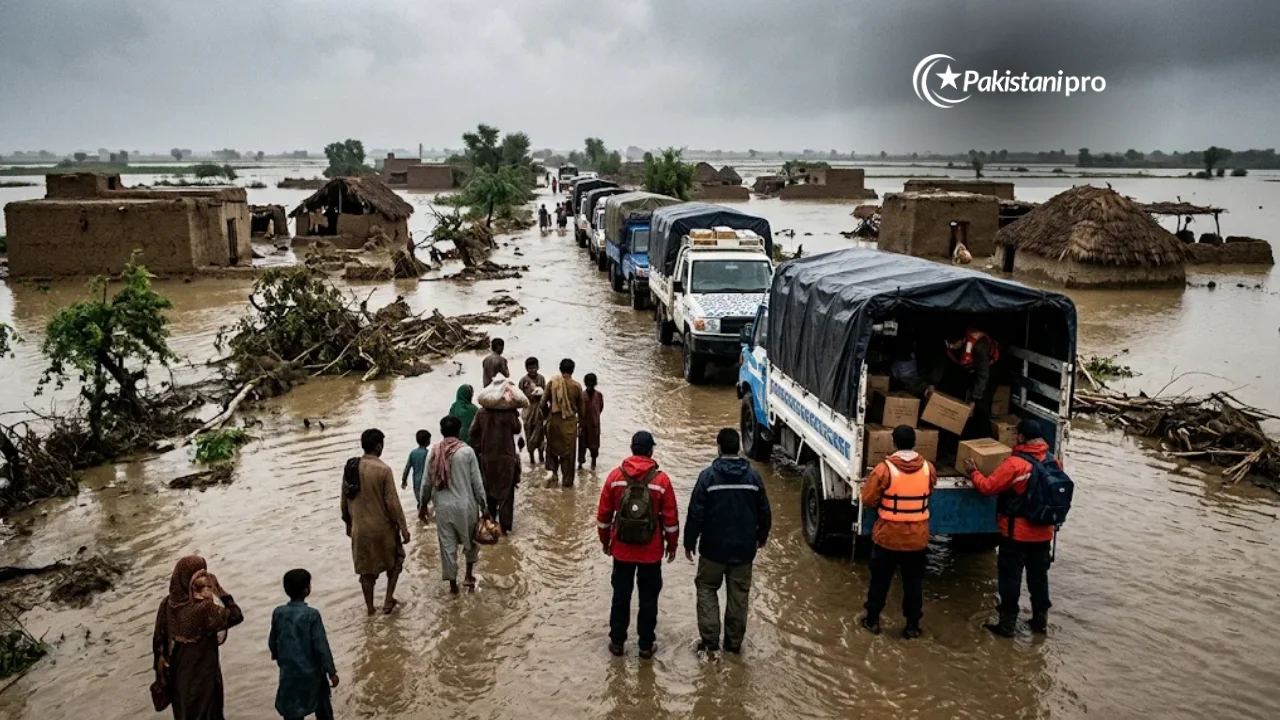
According to ADB, floods, earthquakes and other disasters cost Pakistan an estimated $2 billion a year on average. The 2022 floods alone caused $14.9 billion in direct damage and $15.2 billion in economic losses, and pushed up to 9.1 million people into poverty.
After big disasters, governments often have to cut development spending or borrow at short notice to fund relief. A pre-approved facility like this one is designed to provide money quickly when it is needed most.
What the Programme Supports
- Reforms to strengthen disaster preparedness and risk management.
- Building disaster resilience into Pakistan’s development planning and public investment.
- A stronger disaster risk financing framework, so funds are available faster after a disaster.
“When disaster strikes, it is often the most vulnerable communities that are hit hardest,” said Emma Fan, ADB Country Director for Pakistan. She added that investing in preparedness can help protect lives and livelihoods and reduce economic losses.
What It Means for Pakistanis
For ordinary citizens, the main effect would come after a disaster. Relief and recovery spending could start sooner, without the government having to divert funds from other projects. Rural and poor communities, which ADB says have less capacity to recover, and women and girls, who are hit harder by disasters, are the main groups the reforms aim to protect.
Source: ADB news release, 11 November 2026.