
SME Long-Term Financing: PM Orders Removal of 80% Export Condition
PM Shehbaz Sharif has ordered removal of the condition that SMEs must export 80% of output to get long-term financing.

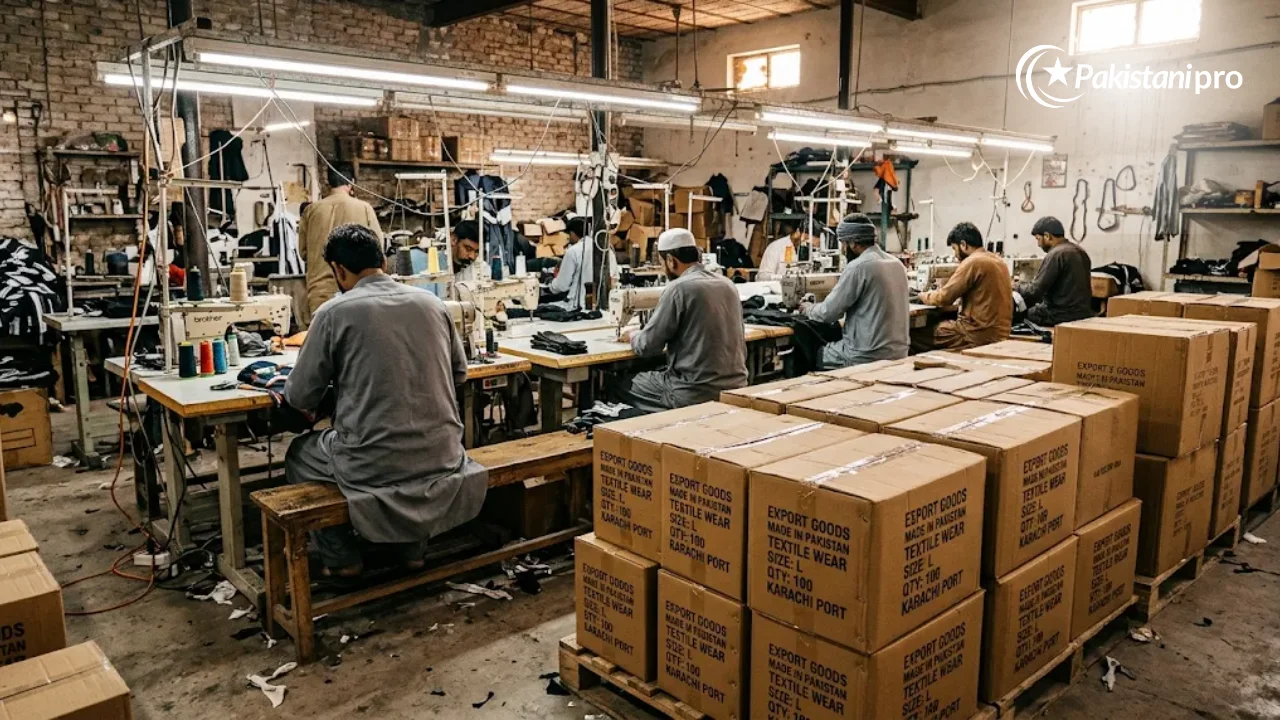
SME long-term financing is set to become easier: Prime Minister Shehbaz Sharif on 5 November 2026 ordered removal of the condition that a small or medium business must export at least 80% of its products to qualify for long-term financing. He also directed that no bank should deviate from the government’s concessional financing scheme for SMEs and exporters.
The decision came at a meeting in Islamabad on facilitating export-oriented SMEs, attended by federal ministers and State Bank of Pakistan Governor Jameel Ahmad, according to Radio Pakistan and Business Recorder. A formal SBP circular changing the rules had not been published at the time of writing.
SME long-term financing decision: key facts
| Item | Detail |
|---|---|
| Decision | Remove 80% export requirement for SMEs seeking long-term financing |
| Ordered by | Prime Minister Shehbaz Sharif |
| Date | 5 November 2026 |
| Export Finance Scheme allocation | Rs 300 billion for SMEs and new exporters |
| LTFF allocation this year | Rs 350 billion |
| Export-linked SMEs | About 17,000 |
| Applications on SBP portal | More than 10,000 since 1 November |
What the 80% export condition meant
Under the condition described at the meeting, an SME had to export at least 80% of what it produced to be eligible for long-term financing for exporters. Many small manufacturers sell part of their output locally and export the rest, so the rule kept a large number of them out. Removing it should allow businesses with a smaller export share to apply, although the new eligibility threshold, if any, will be set when the SBP issues revised instructions.
Other directions from the meeting
- Banks must not deviate from the concessional financing scheme for SMEs and exporters.
- Accreditation standards should be improved and regulatory procedures simplified.
- Modern testing laboratories should be set up so exporters can get testing and accreditation closer to their factories.
- Steps are being taken to increase exports to African countries.
SME representatives had raised problems with taxation, refunds, provincial levies, accreditation, logistics, payments and access to finance in earlier consultations, the meeting was told.
What this means for small businesses
For a small exporter, long-term financing is used to buy machinery and expand capacity at a concessional rate. If the 80% condition is formally dropped, firms that export only part of their output, such as textile, surgical goods, sports goods or food processors, could become eligible.
The practical route to bank finance is the SBP’s new SMEConnect SME loan portal, which received more than 10,000 applications in its first days. Businesses should keep their export records, sales tax returns and financial statements ready, and wait for the SBP or their bank to confirm the revised LTFF criteria before applying.
The push comes as the trade deficit widened in October 2026, which makes export growth a priority for the government. Related: SBP open banking rules.
Frequently asked questions
Has the SBP changed the LTFF rules yet?
Not yet confirmed. The Prime Minister ordered the change on 5 November 2026; the formal rule change is expected through SBP instructions to banks.
How much money is available for SME financing?
Officials said Rs 300 billion is allocated under the Export Finance Scheme for SMEs and new exporters, and Rs 350 billion has been earmarked this year for the Long-Term Financing Facility.
Where can SMEs apply for a loan?
Through the SBP’s SMEConnect portal or directly with a participating bank.
Sources: Radio Pakistan (5 November 2026); Business Recorder (6 November 2026).