
Pakistan Trade Deficit Widens 20% to $3.88 Billion in October 2026
Pakistan’s trade deficit rose about 20% to $3.88 billion in October 2026 as imports grew 12% and exports 2.8%, PBS data show.

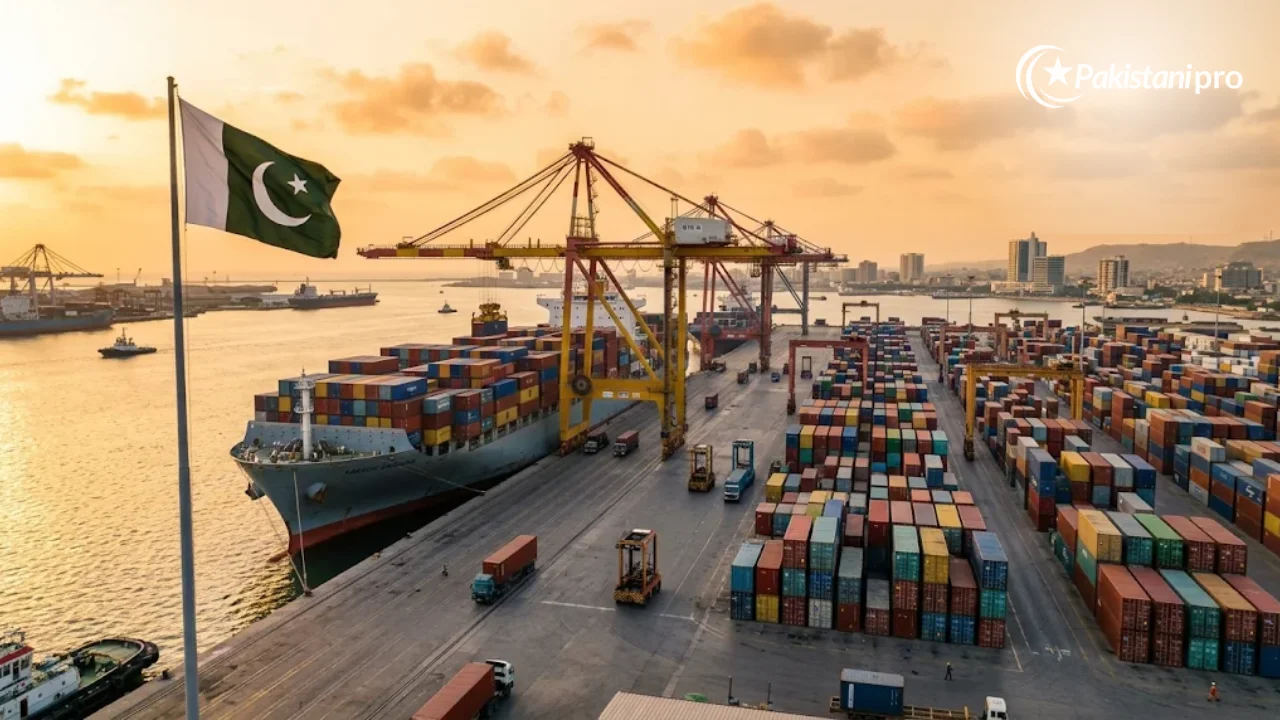
The Pakistan trade deficit widened by about 20% to $3.88 billion in October 2026 from $3.24 billion a year earlier, as imports grew much faster than exports, according to data from the Pakistan Bureau of Statistics (PBS). Exports rose 2.8% to $2.93 billion, while imports climbed about 12% to $6.81 billion.
In the first four months of FY2026-27 (July–October), the trade deficit reached $14.63 billion, about 16% higher than the same period last year.
Pakistan trade deficit October 2026 at a glance
| Item | October 2026 | October 2025 | Change |
|---|---|---|---|
| Exports | $2.93 bn | $2.85 bn | +2.8% |
| Imports | $6.81 bn | $6.09 bn | about +12% |
| Trade deficit | $3.88 bn | $3.24 bn | about +20% |
July–October (4MFY27) trade figures
| Item | 4MFY27 | 4MFY26 | Change |
|---|---|---|---|
| Exports | $11.34 bn | $10.45 bn | +8% |
| Imports | $25.96 bn | $23.06 bn | +12% |
| Trade deficit | $14.63 bn | $12.61 bn | about +16% |
Month-on-month: deficit up over 10%
Compared with September 2026, when the trade deficit was $3.52 billion, October’s gap rose by more than 10%. Imports increased during the month while exports stayed largely flat.
Why the trade deficit is widening
- Costlier oil: the regional conflict has kept international oil and shipping costs high, and fuel is Pakistan’s largest import.
- Economic recovery: as growth picks up, demand for machinery, raw materials and consumer goods rises, pulling imports up.
- Slow export growth: exports grew 8% in four months but only 2.8% in October, not fast enough to keep pace with imports.
What it means for Pakistan
A wider trade deficit means more dollars leave the country to pay for imports than come in from exports. That gap has to be covered by remittances, loans and investment. If it keeps growing, it can put pressure on the State Bank’s reserves and the rupee. For now, reserves have been rising slowly (see our SBP foreign exchange reserves page) and Saudi Arabia has rolled over its $3 billion deposit, which gives some cushion.
For ordinary people, a weaker rupee caused by a large trade gap would make imported goods such as fuel, cooking oil, medicines and mobile phones more expensive. The recent fall in petrol prices has come from changes in the pricing formula, not from lower import costs. Watch the rupee-dollar rate in the coming weeks.
How the Pakistan trade deficit is financed
The Pakistan trade deficit only covers goods. To see the full picture, economists look at the current account, which adds services trade and, most importantly, remittances from Pakistanis working abroad. Remittances are Pakistan’s largest source of dollar inflows and usually cover a large part of the goods gap, which is why monthly remittance data matters as much as the trade numbers themselves for the country’s overall external position. When remittances and other inflows keep pace with the trade deficit, the current account stays manageable and reserves can still grow.
The State Bank publishes current account data a few weeks after the PBS trade figures. That release will show whether October’s wider trade gap was offset by remittances, or whether the overall external balance slipped into a larger deficit. Exporters, importers and investors watch both numbers closely because they shape the outlook for the rupee and for interest rates.
Frequently asked questions
What was Pakistan’s trade deficit in October 2026?
$3.88 billion, about 20% higher than in October 2025.
How much did Pakistan export in October 2026?
$2.93 billion, up 2.8% year on year.
What is the trade deficit for July–October FY2026-27?
$14.63 billion, up about 16% from $12.61 billion a year earlier.
Source: Pakistan Bureau of Statistics provisional trade data, as reported by Business Recorder (6 November 2026). Official data: PBS.