
PTA SIM Blocking Rules 2026: Fraud SIMs Blocked at Once, 60 Days for Deceased Users
New PTA SIM blocking rules: fraud SIMs and linked phones blocked immediately, invalid-CNIC SIMs within 5 days, and 60 days to transfer SIMs of deceased users.

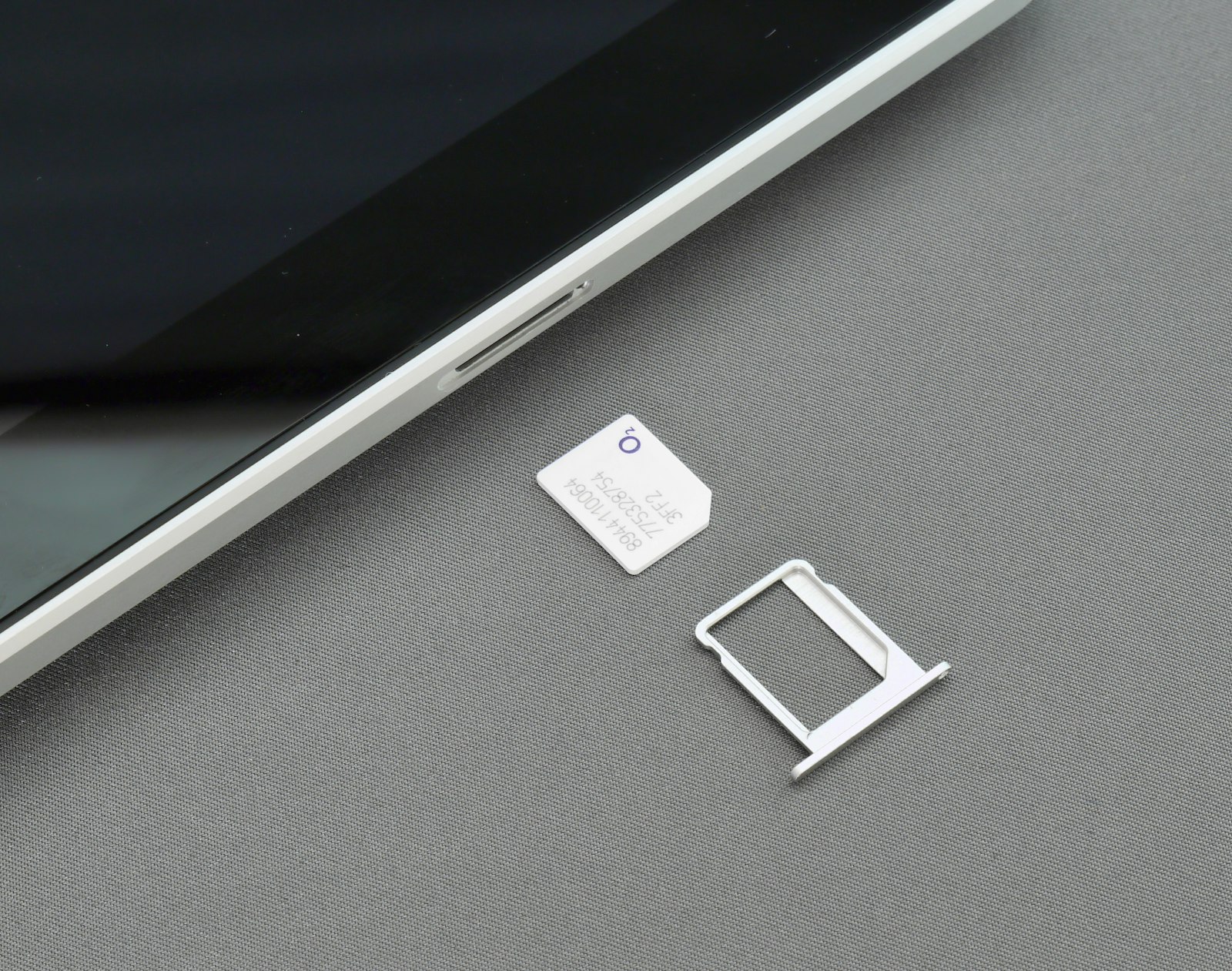
Under new PTA SIM blocking rules notified in October 2026, mobile operators must block any SIM reported as fraudulently issued immediately, along with the phones used to issue or activate it. SIMs linked to cancelled, confiscated or impounded CNICs must be blocked within five days, and families of deceased subscribers get 60 days to transfer the SIMs before they are switched off.
PTA SIM blocking rules at a glance
| Situation | What happens | Deadline |
|---|---|---|
| SIM reported as issued through fraud | SIM blocked, plus the IMEI of devices used to issue, activate or last use it | Immediately |
| CNIC or NICOP cancelled, confiscated or impounded | SMS sent explaining the reason; SIM blocked unless NADRA updates the status | 5 days |
| CNIC or NICOP holder dies (reported by NADRA) | SMS sent to all SIMs in that name; blocked if ownership is not transferred | 60 days |
The changes were reported on 14 October 2026 by TechJuice and PhoneWorld, and have been linked to notification SRO 1519(I)/2026.
Automatic data sharing with NADRA
To make the rules work, mobile operators and NADRA must set up an automated system to share updates on the expiry, renewal, death, cancellation, confiscation and impounding of CNICs and NICOPs that have active SIMs. In practice, this means SIM status will follow the status of your identity card more closely than before.
Who is affected
Most users with a valid CNIC and SIMs in their own name will not notice any change. The PTA SIM blocking rules mainly affect:
- People using SIMs registered in someone else’s name, including SIMs bought from street sellers.
- Families still using the SIM of a relative who has passed away.
- People whose CNIC or NICOP has been cancelled, confiscated or impounded by NADRA.
- Retailers and franchises whose biometric devices were used to issue fraudulent SIMs, since those devices can now be blocked as well.
Why PTA is tightening SIM rules
Fraudulent SIMs issued in other people’s names are widely used in financial scams. In September 2026, the PTA chairman told a National Assembly committee that the authority had blocked 18.2 million SIMs issued fraudulently over the past two and a half years, and that operators had been fined a total of Rs. 4.2 billion (PhoneWorld). PTA has also geofenced SIM-sale biometric devices and improved fake-fingerprint detection.
What the PTA SIM blocking rules mean for you
- Keep your CNIC valid: if your CNIC has expired, renew it so your SIMs are not affected. Our NADRA CNIC renewal guide explains the fee and online steps.
- Check SIMs in your name: PTA’s SIM information service lets you check how many SIMs are registered on your CNIC by sending your CNIC number (without dashes) by SMS to 668. If you see a SIM you do not recognise, report it to the operator.
- After a death in the family: transfer the deceased person’s SIMs within 60 days of the operator’s SMS, especially if the number is linked to bank accounts or mobile wallets.
- Do not use SIMs registered to others: such a SIM can be blocked without notice if it is reported as fraudulent.
If you need a valid SIM for 5G, read where 5G is available in Pakistan, or follow more telecom news.
Frequently asked questions
Will my SIM be blocked if my CNIC expires?
The new rules focus on cancelled, confiscated or impounded CNICs and on deceased holders. Operators and NADRA will also share CNIC expiry and renewal data, so keeping your CNIC valid is the safest option.
How long do families have to transfer a deceased person’s SIM?
60 days after the operator sends the notification SMS.
What happens to a fraudulently issued SIM?
It is blocked immediately once reported, along with the devices used to issue or activate it.